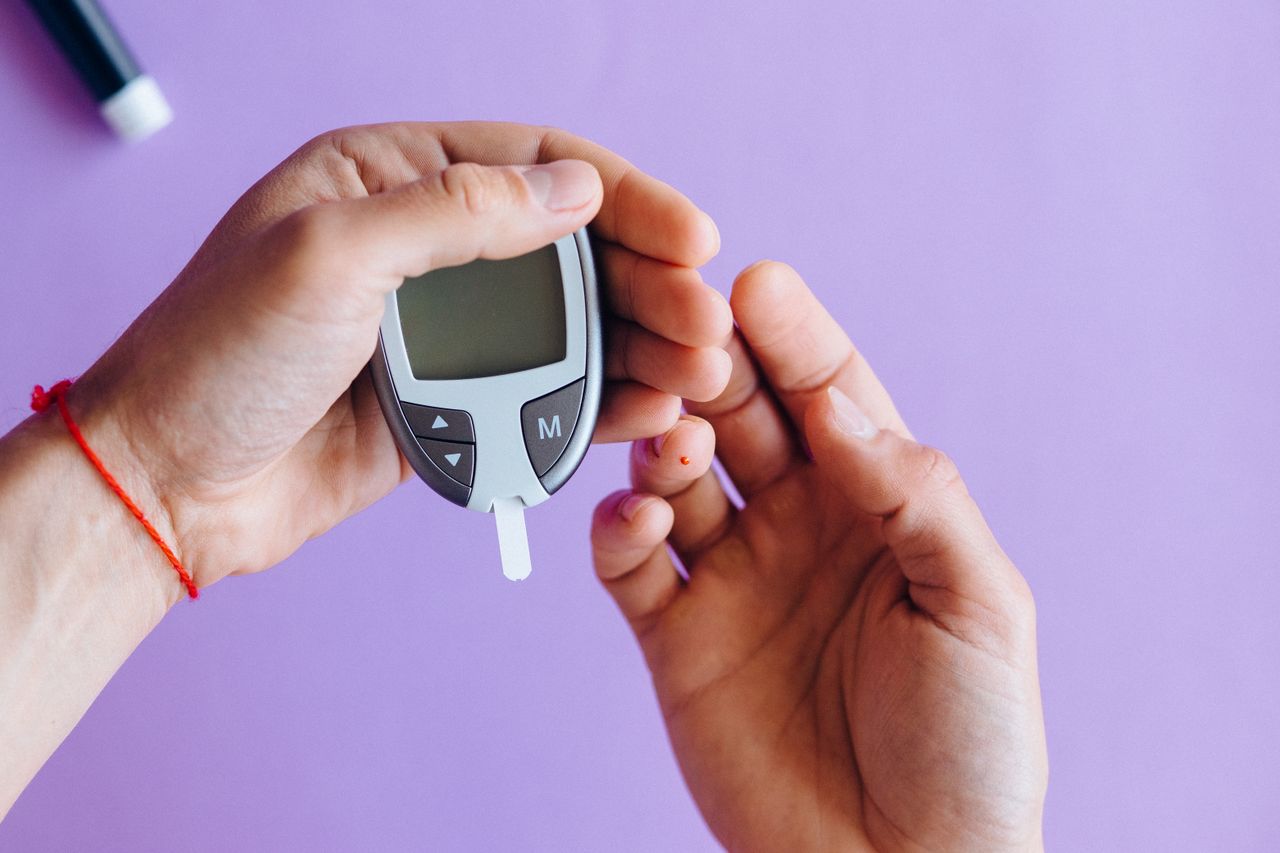
Reading Time: 3 minutesBeat Unwanted Weight Gain By Dr. John Poothullil, MD Lowering blood sugar numbers does not always mean fixing diabetes. Modern medicine often focuses on controlling glucose with medication. Drugs like insulin and metformin can lower blood sugar, but they do not explain why blood sugar rose in the first place. If the diet continues to drive overeating, blood sugar will keep rising, and medication doses will keep increasing. This treats the symptom, not the cause. Blood sugar rises when the system is overwhelmed by repeated glucose spikes. Those spikes come…
Read MoreTag: health education
Your Brain Has Been Working Overtime
Reading Time: 3 minutesBy Denise Billen-Mejia, MD (retired), Consulting Hypnotist If you live with chronic pain, you have probably been told — or at least made to feel — that something is wrong with you. That your body has broken down. That your brain is misfiring. That the pain is somehow your fault, or in your head, or something you simply have to manage. I want to suggest a different way of looking at it. Your brain has been working overtime. Here is what I mean by that. Pain is not…
Read MoreIs Exercise Really the Issue?
Reading Time: 4 minutesWe are told again and again that obesity exists because we do not exercise enough. Move more, burn more calories, and the problem will disappear. It sounds logical—but it does not match what we see in real life. People exercise more than ever. Gyms, fitness apps, smart watches, workout videos, and step counters are everywhere. Many people work out faithfully several times a week. And yet obesity keeps rising. For example, obesity peaked among middle-aged adults (40–59), with a 46.4% prevalence in 2021–2023, higher than older (60+) groups. If lack…
Read MoreFrom the Kellogg’s Sanitarium to Smoothies for Wellness
Reading Time: 3 minutes By Wendy Bjork, MS Mentor and Founder of HeartsOf Wellness.com Why Starting Your Day with a Smoothie Nourishes Body, Mind, and Spirit For generations, breakfast has been sold as “the most important meal of the day.” Yet somewhere along the way, that truth was hijacked by clever marketing, especially from cereal companies in the early 1900s. When industrial food production began booming, convenience became the new currency. Cereal, milk, and sugar offered an easy solution for busy families, and companies like Kellogg’s and Post capitalized on it brilliantly.…
Read MoreBeware of “Added Sugars” in Drinks
Reading Time: 4 minutesIn recent years, there’s been a tidal wave of beverages hitting the shelves — sodas, energy drinks, iced teas, sports drinks, flavored waters, coffee concoctions — all dressed up and deliciously sweetened. But behind the flavor? A hidden danger. Most of these beverages are loaded with added sugars, often in the form of high-fructose corn syrup, a highly processed and inexpensive sweetener used to hook your taste buds — and hijack your health. These taste-enhancing additives are doing more than just making drinks irresistible. They are a major contributing factor…
Read MoreHow Our Conscious Choices Override Our Need for Nutrients
Reading Time: 3 minutesFrom birth, our bodies are finely tuned to meet our nutritional needs. Infants triple their birth weight in the first year, driven by an instinctual drive to feed. As we grow, our nutritional requirements evolve, often imperceptibly. Toddlers experience a natural decline in appetite, coinciding with slower growth rates. Adolescents undergo growth spurts, requiring increased caloric intake, yet they often maintain lean physiques as their bodies efficiently utilize energy. However, as adults, our eating patterns become influenced by various factors beyond mere nutritional needs. Cultural norms, social settings, and emotional…
Read MoreKnowing When To Stop Eating
Reading Time: 4 minutesYour brain informs you when to stop eating during a meal. Paying attention to your “satisfaction” (also called “satiation”) signals is just as important as being aware of your hunger signals. During a meal, the brain receives messages from the mouth, the stomach, the intestines, and the blood—all of which combine to help it assess when enough nutrients have been consumed to satisfy the demand for nutrition from the body’s cells. Like hunger, satiation signals are highly dependent on your nutritional status. At some meals, you’ll need to consume a…
Read More