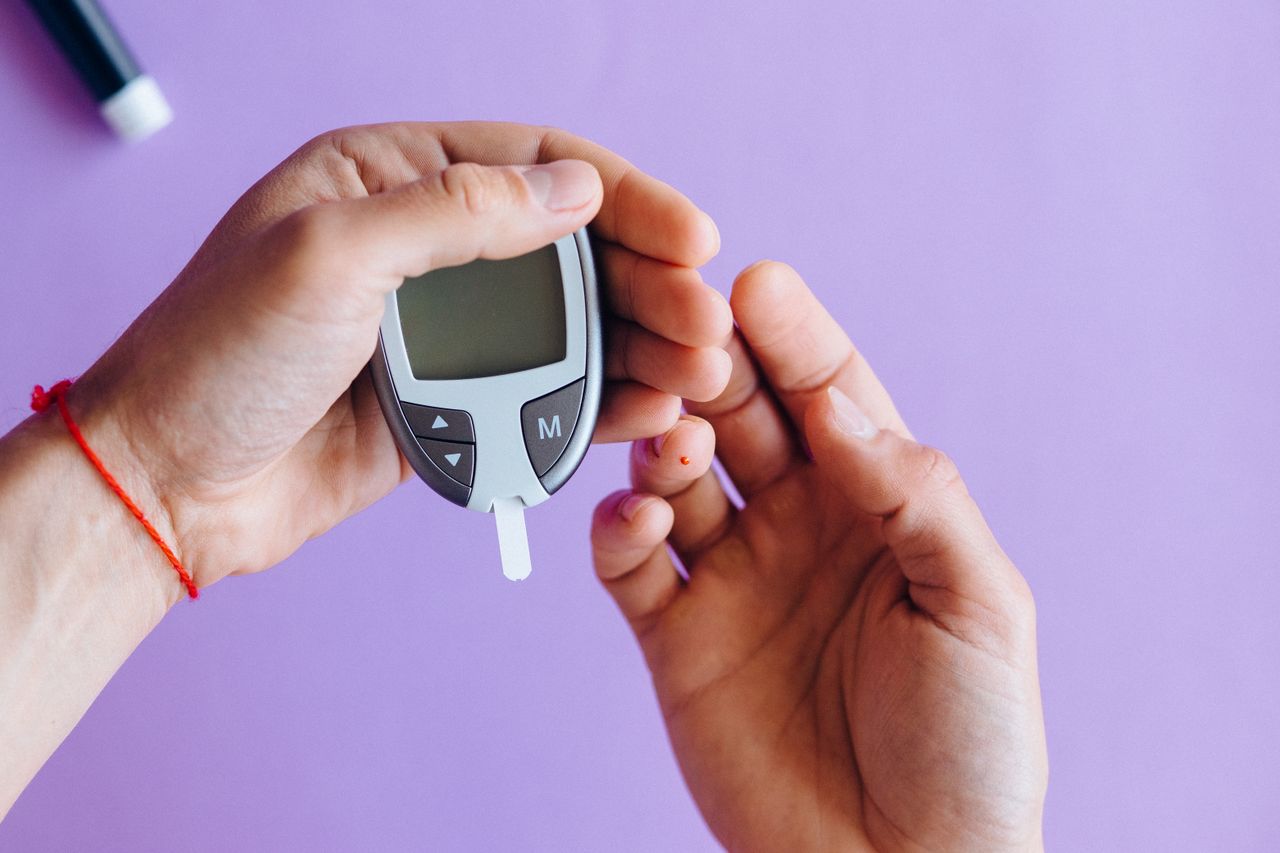
Low-Acting Insulins

Reading Time: 3 minutesBeat Unwanted Weight Gain By Dr. John Poothullil, MD Lowering blood sugar numbers does not always mean fixing diabetes. Modern medicine often focuses on controlling glucose with medication. Drugs like insulin and metformin can lower blood sugar, but they do not explain why blood sugar rose in the first place. If the diet continues to drive overeating, blood sugar will keep rising, and medication doses will keep increasing. This treats the symptom, not the cause. Blood sugar rises when the system is overwhelmed by repeated glucose spikes. Those spikes come…

Read More

Does Trusting Your Inner Wisdom Create Tenacity?

Reading Time: 3 minutesWelcome to the latest episode of Unlocking Your Greatness with Wendy Bjork.  Wendy is an international bestselling author, nationally syndicated columnist, inspirational speaker and founder of HeartsOfWellness.com.  Her mission is to empower women navigating Multiple Sclerosis to build a strong Foundation of Wellbeing: One Whole-istic™ Step at a Time.   She understands this journey well, as she has been living with Multiple Sclerosis for over three decades, since the age of 15.  She has been inspired to lead other women on a healing path after realizing the gaps in care that affect…

Read More

Knowing When To Stop Eating

Reading Time: 4 minutesYour brain informs you when to stop eating during a meal. Paying attention to your “satisfaction” (also called “satiation”) signals is just as important as being aware of your hunger signals.  During a meal, the brain receives messages from the mouth, the stomach, the intestines, and the blood—all of which combine to help it assess when enough nutrients have been consumed to satisfy the demand for nutrition from the body’s cells.  Like hunger, satiation signals are highly dependent on your nutritional status. At some meals, you’ll need to consume a…

Read More