
By Denise Billen-Mejia, MD (retired), Consulting Hypnotist
If you live with chronic pain, you have probably been told — or at least made to feel — that something is wrong with you. That your body has broken down. That your brain is misfiring. That the pain is somehow your fault, or in your head, or something you simply have to manage.
I want to suggest a different way of looking at it.
Your brain has been working overtime.
Here is what I mean by that.
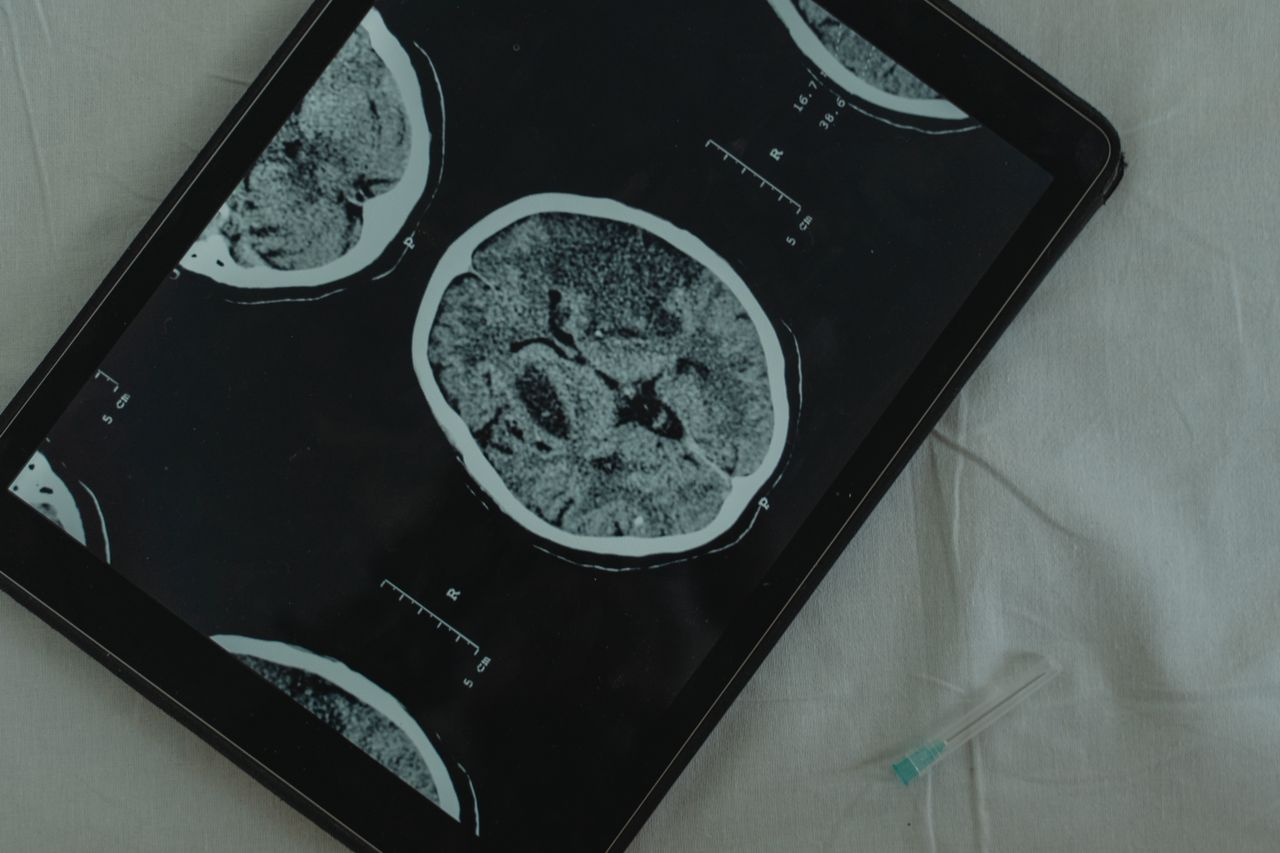
Pain is not simply a signal from a damaged body part travelling to the brain like a telegram. The brain is not a passive receiver. It is an extraordinarily active interpreter — constantly scanning, assessing, and deciding what to do with incoming information. It factors in your emotional state, your memories, your expectations, your level of threat. And then it makes a decision about how much pain to generate.
It does all of this to protect you. Pain is the brain’s alarm system. When something is wrong, the brain sounds the alarm to get your attention, to stop you doing further damage, to keep you safe.
The problem with chronic pain is not that the brain is broken. The problem is that the alarm system has not been given permission to rest.
Researchers call this central sensitisation. The original injury — or illness, or source of pain — may have resolved or stabilised. But the brain’s alarm has been running so long, at such high volume, that it has become hypersensitive. It now sounds the alarm for things that would not ordinarily register as a threat. The nervous system has, in effect, learned to stay on high alert.
Think of it like an employee who has been working a crisis for so long they have forgotten what normal looks like. Even when the emergency is over, they cannot stand down. They do not know how.
This is not weakness. It is not failure. It is what happens when a system designed for short bursts of acute response is asked to run continuously, indefinitely, without relief.
And here is the part that matters most: because the brain is involved in constructing the pain, the brain can also be involved in changing it.
This is where hypnosis comes in — and where I want to be clear about what hypnosis actually is, because the word carries a great deal of unhelpful baggage.
Hypnosis is not mind control. It is not sleep. It is not something done to you against your will. It is a state of focused, relaxed attention — a naturally occurring state you have been in thousands of times. That absorbed, drifting quality you experience in the moments before you fall asleep, when the rest of the world has quietly stepped back. A skilled hypnotist guides you into that state intentionally.
In that state, the part of the mind that is braced and vigilant — the part that has been running the alarm — becomes quieter. Not silenced. Quieter. And in that quieter state, the subconscious becomes genuinely receptive to new ways of experiencing the body.
Pain can be turned down. The anxiety and hypervigilance that so often accompany chronic pain — and amplify it — can be gently eased. And crucially, patients can learn self-hypnosis, so they have a tool they can use independently, at home, at any time, without a prescription.
I want to be honest with you, as I would want any doctor to be honest with me: hypnosis is not a magic wand. It does not work identically for everyone. It works best alongside conventional medical care, not instead of it. What I can tell you is that the evidence is solid, the safety profile is excellent, and for many people it offers something they have not been offered before — a way to work with their brain rather than against it.
Your brain is not your enemy. It has been doing an exhausting, relentless job on your behalf. Sometimes the most powerful thing we can do is help it finally, gently, stand down.
If you would like to know more, I am hosting a free live online talk on June 27th at 11am Eastern time — covering the neuroscience, the evidence, and what a course of treatment actually looks like. Visit our website to register or to book a free introductory call.
Denise Billen-Mejia is a retired physician and consulting hypnotist working with clients worldwide via Zoom. Visit healandberadiant.com to learn more, or listen to H2 – Talking Health &Hypnosis.
Dr. Denise Billen-Mejia is a former emergency medicine physician turned clinical hypnotist, dedicated to helping people find relief that conventional medicine alone hasn’t been able to provide.
To explore further, find articles and resources, or get in touch with Denise directl email office@aahypnosis.com or visit her website: healandberadiant.com
For more great health and lifestyle content, see here.
Explore more insights at https://dailymailusa.com/.