
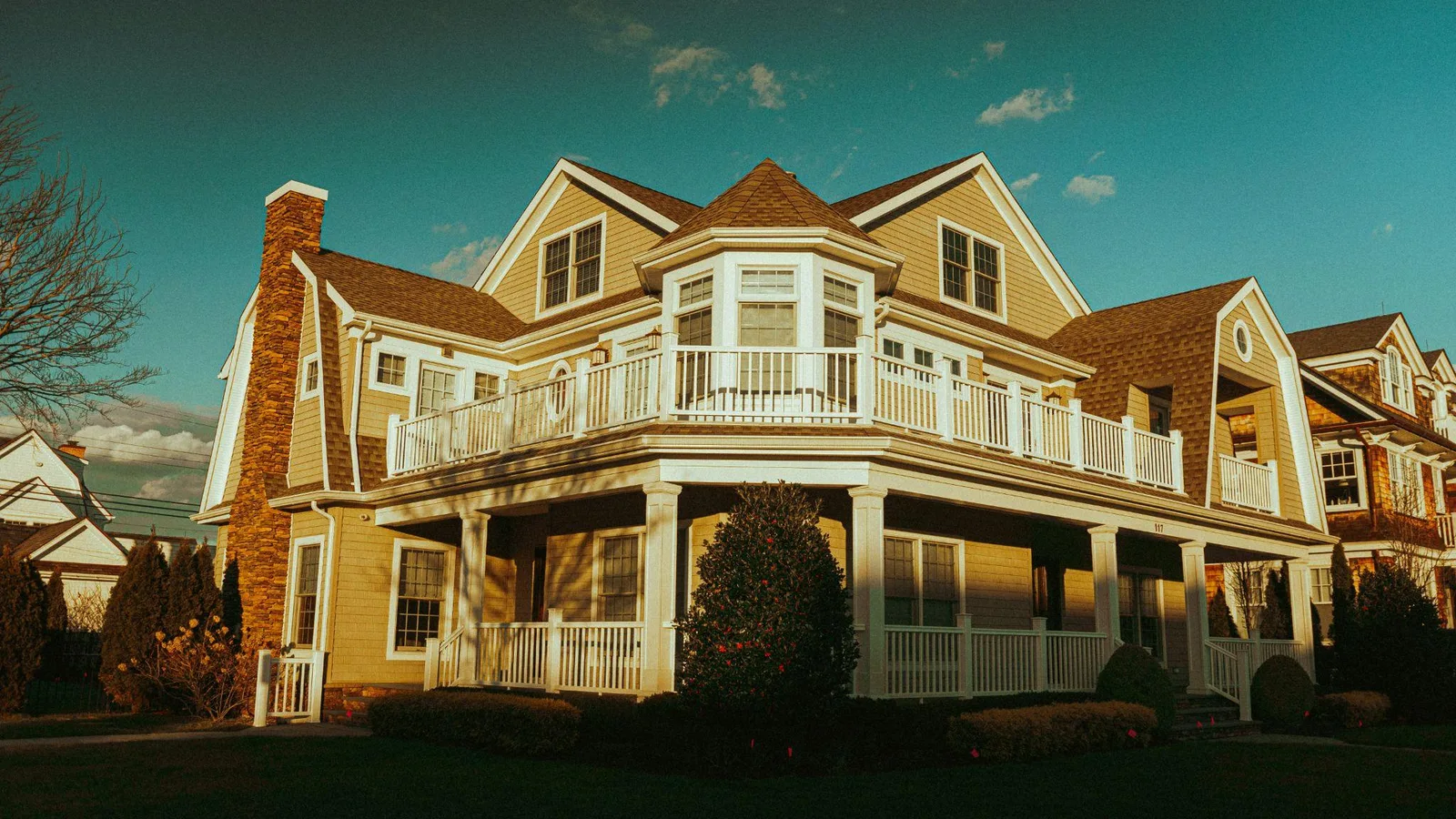

When homeowners think about costly home repairs, they usually picture obvious emergencies: a leaking roof, a broken furnace, or a flooded basement. Those problems demand immediate attention because they’re impossible to ignore. But many of the most expensive repairs don’t begin with dramatic failures. They start with small issues hidden behind walls, above ceilings, or inside systems that homeowners rarely think about until something goes wrong.
One of the most overlooked examples is the chimney. While many people associate chimneys only with fireplaces, they play a much larger role in protecting a home’s safety, ventilation, and structural integrity. Because deterioration often happens out of sight, problems can quietly develop for years before homeowners notice any warning signs.
Why Hidden Systems Get Overlooked
The same pattern appears throughout a home. Electrical wiring is hidden behind walls, plumbing runs beneath floors, and insulation can deteriorate without producing an obvious visual clue. The difference is that homeowners generally know these systems require professional attention. Chimneys can fall into a blind spot because their condition is difficult to judge from the living room or from a casual glance at the exterior. A chimney may look intact from the ground while problems are developing inside the flue, behind the masonry, or around areas exposed to moisture.
Modern homeowners are generally diligent about maintaining visible parts of their property. Roofs are inspected after storms, HVAC systems receive seasonal tune-ups, and plumbing leaks are repaired quickly. Chimneys, however, are frequently forgotten.
Part of the reason is that many homeowners assume that if they rarely use their fireplace, or don’t have one at all, the chimney isn’t an active part of the home. In reality, many furnaces, boilers, and water heaters vent through chimney systems. Even when a fireplace sits unused, the chimney remains exposed to rain, temperature swings, moisture, and years of natural wear.
Because these systems continue operating quietly in the background, deterioration often goes unnoticed until repairs become unavoidable.
Problems That Often Stay Hidden
Age can make the problem even harder to diagnose. Older homes may contain chimney systems that have been repaired, modified, or connected to newer heating equipment over decades. What appears to be a single structure may actually contain several generations of materials and construction methods. That means an issue that looks minor from the outside may require a much closer examination to understand how different components interact.
According to Chimney Scientists, one of the largest chimney companies in the U.S. led by founder Joe Ochal, professional inspections routinely uncover issues that homeowners would have little chance of spotting on their own.
One of the most common is creosote buildup, a highly combustible residue left behind by burning wood that increases the risk of chimney fires if allowed to accumulate.
Inspectors also frequently discover cracked masonry and deteriorating flue liners that can compromise the chimney’s ability to safely vent smoke and combustion gases. Damaged dampers may reduce energy efficiency by allowing conditioned air to escape, while animal nests and debris can block airflow and create ventilation problems.
Moisture is another major concern. Water entering through damaged masonry or chimney crowns can slowly weaken the structure over time, leading to cracks, leaks, and more extensive repairs if left untreated.
Many of these conditions develop gradually and remain completely hidden without a professional inspection.
The Warning Signs Often Come Too Late
One challenge with chimney problems is that they rarely announce themselves early.
Homeowners often don’t become aware of an issue until smoke begins entering the home, unpleasant odors linger after a fire, water stains appear around the fireplace, or draft problems affect how the system performs. In more serious cases, structural deterioration or blocked venting systems can create safety concerns that require immediate attention.
By the time these symptoms appear, the underlying problem may have been developing for years.
That’s why relying solely on visible warning signs isn’t an effective maintenance strategy. Like many hidden home systems, chimneys often require specialized equipment to evaluate their true condition.
Small Problems Can Become Expensive Repairs
Deferred maintenance has a way of turning relatively minor issues into much larger, and more expensive, projects.
A small crack in masonry can eventually allow enough moisture inside to damage surrounding materials. A blocked flue may require extensive cleaning or repairs before the chimney can be safely used again. Left unresolved, structural deterioration can lead to chimney rebuilding, relining, or repairs that cost significantly more than routine maintenance.
Beyond repair costs, neglected chimney systems can also affect overall home safety by increasing the risk of fire, poor ventilation, or damage caused by prolonged water intrusion.
A Smarter Way to Protect Your Home
Preventative maintenance isn’t only about fixing problems, it’s about finding them before they become emergencies.
Homeowners routinely schedule inspections for roofs, heating systems, and plumbing because they understand these components require ongoing care. Chimneys deserve the same attention.
Regular inspections help identify hidden deterioration, improve long-term performance, and reduce the likelihood of unexpected repairs. As homes continue to age and repair costs continue to rise, treating chimney maintenance as part of a comprehensive home care plan can help protect both the property and the people living inside it.













[…] The Parts of Your Home That Fail Quietly and Cost the Most to Fix […]