
Mold disputes between landlords and tenants are common in Los Angeles. When mold appears in a rental unit, the question of who is legally responsible often becomes contentious. California law places clear obligations on property owners to maintain habitable living conditions. Mold inspections in LA play a central role in documenting whether a landlord has met those obligations or ignored a known hazard. Understanding the legal framework helps tenants protect their rights and helps landlords avoid costly litigation. This article explains what the law requires, when liability applies, and what role a professional inspection plays in the process.
California’s Implied Warranty of Habitability
California Civil Code Section 1941 requires landlords to maintain rental properties in a habitable condition. Mold growth that results from structural defects, plumbing leaks, or roof failures falls under this obligation. The California Department of Consumer Affairs recognizes visible mold as a condition that renders a unit substandard under Health and Safety Code Section 17920.3.
A landlord becomes liable when they receive written notice of a mold problem and fail to act within a reasonable time. “Reasonable time” is not defined by statute but courts have interpreted it as typically 30 days for non-emergency repairs. Emergency conditions involving toxic mold may require faster action. Landlords who ignore written complaints risk being held liable for both property damage and consequential damages.
When Is a Landlord Directly at Fault?
Liability attaches when the mold results from a condition the landlord controlled and failed to correct. Common examples include:
- A chronic roof leak reported multiple times but never repaired
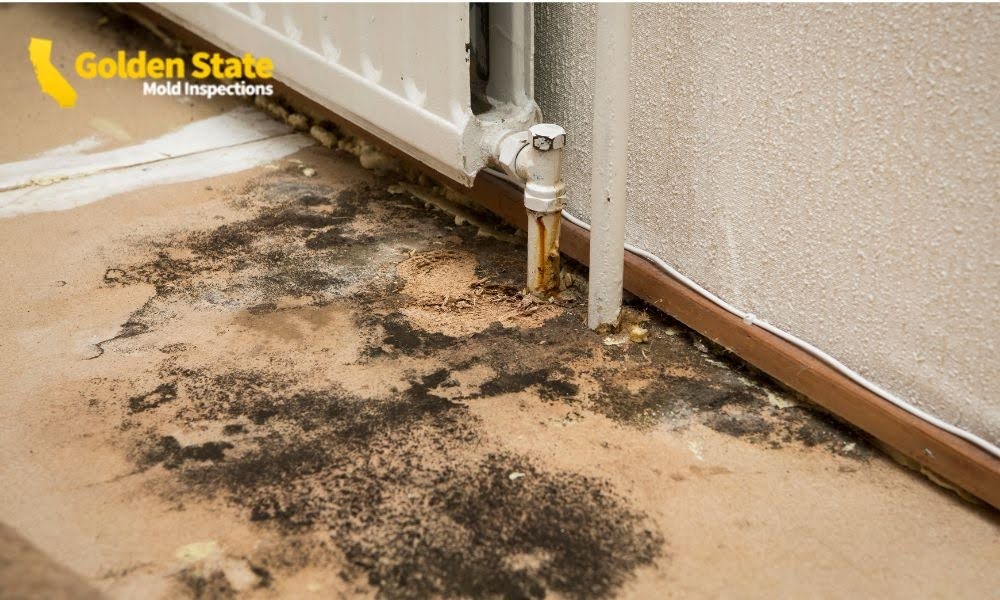
- Plumbing that has leaked inside a wall for months
- A bathroom exhaust fan that was broken at move-in and never replaced
- Foundation water intrusion in a basement or ground-floor unit
Landlords are not automatically liable for mold a tenant caused by, for example, never opening windows or consistently running humidifiers. California courts distinguish between landlord-caused moisture sources and tenant-caused ones. The distinction matters because it determines who bears repair costs and whether a tenant can pursue rent reduction or legal damages.
The Importance of Written Notice
California law requires tenants to notify landlords in writing before legal remedies apply. An email, text, or letter documenting the complaint starts the clock on the landlord’s repair obligation. Verbal complaints alone do not trigger the same legal protections.
Once notice is given, the landlord must investigate and act. If they send a contractor who fails to resolve the root cause, the obligation persists. Mold inspectors in Los Angeles are frequently called by tenants after a landlord’s repair attempt fails to stop visible mold regrowth. A professional inspection report dated after a failed repair creates a paper trail that supports a tenant’s legal claim.
What Happens When a Landlord Hires the Wrong Inspector?
Golden State Mold Inspections, based in El Segundo, notes that some inspection companies present inflated or misleading reports because they also perform remediation work. This conflict of interest can harm both tenants and landlords. A report that overstates the problem leads to unnecessary remediation costs. A report that understates it leaves mold unaddressed.
An inspection company that performs only inspections, with no financial stake in remediation, produces unbiased findings. Mold inspections near me should come from a company with no conflict of interest. The California Air Resources Board has documented that indoor mold contamination can vary widely in severity, and accurate assessment depends on objective testing methods rather than business incentives.
Los Angeles Habitability Standards and Enforcement
The Los Angeles Housing Department (LAHD) enforces habitability standards for rental properties within city limits. Tenants can file complaints with the LAHD when a landlord fails to address mold. The department can issue orders to comply, schedule re-inspections, and in severe cases, refer violations for administrative hearings.
LA County also has its own environmental health division that responds to habitability complaints involving mold in multi-unit buildings. Tenants in rent-stabilized units have additional protections under the Rent Stabilization Ordinance, including the right to withhold rent or pursue rent reductions for habitability violations. Mold inspections in Los Angeles from a certified, neutral inspector provide the documentation both agencies and courts require.
Tenant Remedies Under California Law
When a landlord fails to repair a mold problem after proper notice, California law gives tenants several remedies:
- Repair and deduct: Tenants can hire a contractor and deduct costs from rent, up to one month’s rent, under Civil Code Section 1942.
- Rent withholding: Tenants may withhold rent if the unit is uninhabitable, though this carries legal risk without proper documentation.
- Constructive eviction: If the condition is severe enough to force a tenant to vacate, the landlord may owe relocation costs and damages.
- Small claims or civil court: Tenants can sue for medical costs, property damage, moving costs, and emotional distress.
A third-party mold inspection report strengthens any of these claims. Courts look for objective, dated documentation showing the mold existed, its type, its concentration, and its likely source.
What a Professional Mold Inspection Documents
A certified inspection from a company like Golden State Mold Inspections provides a written report with photos of visible mold, moisture meter readings, air sample results analyzed by an accredited laboratory, and a scope of work identifying remediation steps. This is not a remediation bid. It is a factual assessment of what exists and what is needed.
For landlords, having an independent inspection before a tenant complains is a proactive measure that can prevent court costs. For tenants, an inspection report from a neutral source carries far more weight than a self-reported complaint. The mold inspection services at Golden State are designed to serve both parties with objective findings.
How Mold Type Affects Liability
Not all mold carries the same legal or health implications. Stachybotrys chartarum, commonly called black mold, is associated with water-damaged cellulose materials like drywall and ceiling tiles. Research published by the U.S. Environmental Protection Agency confirms that Stachybotrys requires sustained water exposure, meaning its presence points to a long-standing moisture problem rather than a short-term event.
When mold inspections in Los Angeles identify Stachybotrys in a rental unit, especially in areas the tenant does not control, such as inside walls or beneath flooring, this strongly suggests a chronic condition that predates the tenancy or involves structural failure. That finding significantly increases landlord liability exposure and makes professional documentation even more valuable.
Proactive Steps for Landlords
Landlords who respond quickly and use certified inspectors reduce their legal risk substantially. Recommended steps include:
- Scheduling a mold inspection near me at the first report of musty odors or visible growth
- Keeping copies of all repair orders and contractor invoices
- Using only certified remediation contractors after any inspection-identified mold
- Obtaining a clearance certificate after remediation to confirm the problem is resolved
Golden State Mold Inspections offers pre- and post-remediation assessments. A clearance inspection after work is completed provides documentation that the landlord fulfilled their repair obligation.