
For decades, New Jersey was rarely included in conversations surrounding seismic danger. Earthquakes were associated with California, Alaska, or distant regions along the Pacific Ring of Fire — not the densely populated suburbs and quiet communities of the Garden State. That illusion has now been shattered.
The Ramapo Fault Line, one of the most closely scrutinized geological structures in the northeastern United States, is once again drawing national attention as seismic activity across New Jersey continues to intensify. According to the United States Geological Survey, scientists are actively monitoring what many are describing as a troubling resurgence beneath the state’s surface. USGS EARTHQUAKE MAP
USGS research geologist Jessica Thompson Jobe issued a statement that has reignited public concern:
“Under the current stresses of tectonic plates moving, those faults can be intermittently reactivated.”
The word “reactivated” alone has sent shockwaves through online discussions, local communities, and emergency preparedness circles throughout the Northeast.
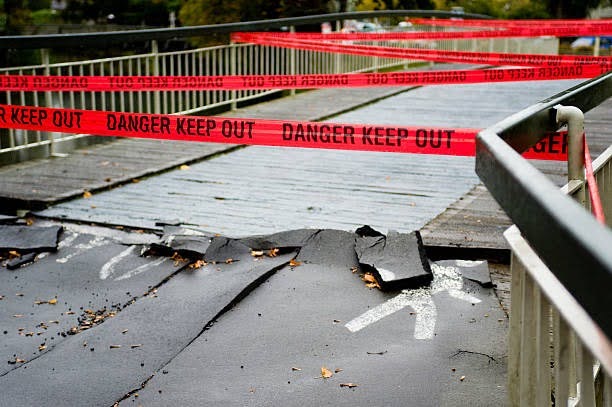
Geologists have increasingly focused on the Ramapo Fault following the magnitude 4.8 earthquake that struck near Tewksbury, New Jersey — one of the strongest earthquakes to impact the region in centuries. Residents from New York City to Pennsylvania reported violent shaking, rattling buildings, swaying apartments, and trembling infrastructure. For many, it was the first time they had ever felt the ground physically move beneath them.
That earthquake was only the beginning.
In the weeks and months that followed, additional seismic events continued to strike across the region:
• A magnitude 3.7 earthquake near Gladstone, New Jersey.
• A magnitude 2.9 aftershock several weeks later.
• Nearly two hundred recorded earthquakes across New Jersey within the last year alone.
Scientists warn that dormant fault systems can remain inactive for millions of years before tectonic pressure suddenly reawakens them. The concern surrounding New Jersey is no longer whether seismic activity exists — it is whether the recent increase represents the early stages of a larger geological pattern.
The timing has only intensified public anxiety. Across the United States, earthquake monitoring systems have documented escalating seismic disturbances from Alaska to California and beyond. Recent earthquakes have repeatedly triggered tsunami monitoring protocols and emergency assessments by NOAA and federal agencies.
USGS EARTHQUAKE MAP
INFO ON CALIFORNIA EARTHQUAKE
EVENT SEQUENCE: NOAA / TSUNAMI ALERT INFORMATION
What makes the New Jersey situation uniquely alarming is the state’s population density. Millions of people live within reach of the Ramapo Fault system, including residents throughout northern New Jersey, New York City, and surrounding metropolitan corridors. Infrastructure that was never engineered for significant seismic events is now facing increased scrutiny.
Social media has amplified fears even further, with videos of shaking homes, vibrating ceilings, and frightened residents spreading rapidly online. Emergency preparedness discussions that once seemed unnecessary in the Northeast are becoming increasingly common.
Experts continue to stress that earthquakes cannot currently be predicted with certainty. Yet the growing frequency of seismic events has left many residents asking the same unsettling question:
What if this is only the beginning?
As tectonic pressure silently builds beneath one of America’s most densely populated regions, New Jersey is confronting a reality few ever imagined — the ground beneath the Garden State may no longer be as stable as it once seemed.
By Bridget Mulroy